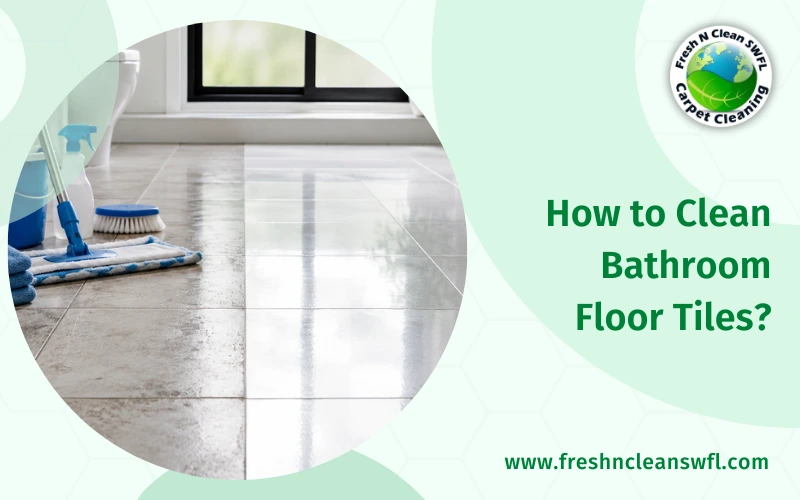
Bathroom floor tiles take more punishment than almost any other surface in your home. Between shower splashes, soap scum and shampoo residue, it doesn’t take long for tile to go from sparkling to dull. Knowing how to clean bathroom floor tiles the right way, not just quickly, is the difference between a floor that looks good for a day and one that stays clean, hygienic, and damage free for years.
This guide walks through the full process: identifying your tile type, gathering the right tools, the correct cleaning order, grout specific care, and how to handle hard water stains, plus when it makes sense to bring in a professional.
Why Bathroom Floor Tiles Get Dirty So Fast
Bathrooms combine three things that create the perfect environment for grime: constant moisture, warmth, and heavy foot traffic. Common culprits include:
- Soap scum and shampoo residue
- Body oils and skin cells
- Hard water mineral deposits, common throughout Lee and Collier County due to Florida’s water hardness
- Mold and mildew spores that settle into damp grout lines
- Tracked in dirt and dust
Tile itself is durable, but grout is porous. That’s why a bathroom floor can look tired even when the tiles underneath are in perfect condition. The grout is usually where the real problem lives, and persistent moisture is also a leading contributor to water damage under tile flooring when it seeps past the grout line over time.
Know Your Tile Type Before You Clean

The right cleaning method depends on what your floor is made of, and different tile types hold up to moisture, foot traffic, and cleaning chemicals in very different ways. Using the wrong solution on the wrong material can dull the finish or cause permanent etching.
Ceramic and porcelain are the most forgiving. They hold up well to mild dish soap, pH neutral cleaners, or a diluted vinegar solution, and they resist staining better than most other flooring materials.
Natural stone, including marble, travertine, slate, and limestone, is far more sensitive. Never use vinegar or other acidic cleaners on these tiles, since the acid reacts with the calcium in the stone and etches the surface permanently. Stick to a pH neutral stone cleaner instead, and keep in mind that natural stone cleaning and maintenance generally calls for specialized sealants that ceramic and porcelain never need.
Vinyl or luxury vinyl tile should be cleaned with a gentle, non abrasive cleaner. Avoid soaking the floor, since standing water can seep into the seams and lift the edges over time.
What You’ll Need
- Broom or vacuum with a hard floor setting
- Microfiber mop and two buckets, one for cleaning solution and one for rinse water
- Soft bristled brush or old toothbrush for grout
- Mild dish soap or pH neutral tile cleaner
- White vinegar, for ceramic and porcelain only, skip this for natural stone
- Baking soda for grout and stain treatment
- Microfiber cloths for drying
Step by Step: How to Clean Bathroom Floor Tiles
Step 1: Clear Loose Debris
Sweep or vacuum the entire floor first, working from the far corner toward the door. Skipping this step means you’ll grind dirt and grit into the tile once it’s wet, which is one of the fastest ways to dull a glazed finish.
Step 2: Pre Treat High Buildup Spots
Around the toilet base, sink, and shower entrance, apply a small amount of cleaner directly and let it sit for a few minutes. This loosens soap scum and grease before you scrub, which saves effort later and reduces how hard you need to press when mopping.
Step 3: Mop With the Right Solution
For ceramic or porcelain, use warm water with a few drops of dish soap, or a cup of white vinegar per gallon of water. For natural stone, use warm water with a pH neutral stone cleaner only.
Work in small sections with a microfiber mop, rinsing and changing your water once it turns cloudy. Dirty rinse water just redeposits grime back onto the floor, which is a common reason a bathroom floor still looks dull right after mopping.
Step 4: Scrub the Grout Separately

Grout needs its own attention since it absorbs dirt that the tile surface sheds. Make a paste of two parts baking soda to one part water, and swap in vinegar instead of water for stained grout on ceramic or porcelain only, never on natural stone. Apply with a soft brush or old toothbrush, let it sit for five to ten minutes, then scrub along the grout lines in short strokes. Scrubbing too hard with a stiff bristled brush is one of the common tile and grout cleaning mistakes that wears down the grout lines faster than the dirt they’re trying to remove.
Step 5: Rinse and Dry Completely
Rinse the entire floor with clean water to remove all cleaning residue, then dry thoroughly with a microfiber cloth or squeegee. This step matters more than most people realize. Leftover moisture is exactly what feeds mold and mildew growth in grout lines, and it’s the single biggest reason mold keeps coming back even after a thorough cleaning. The EPA’s guidance on mold and moisture confirms this directly: mold control ultimately comes down to moisture control, since spores that have nothing damp to grow on simply won’t take hold. Recurring mold usually points to a ventilation or drying problem rather than a cleaning problem, and preventing mold and mildew on bathroom tiles comes down to fixing that root cause rather than just treating the symptoms.
How to Remove Hard Water Stains From Bathroom Tiles

Hard water leaves behind chalky white mineral spots, and this is especially common in Southwest Florida homes given the region’s water hardness. To treat these stains on ceramic or porcelain tile, mix equal parts white vinegar and warm water, spray or pour the solution over the stained area, and let it sit for five to ten minutes before scrubbing gently with a soft brush. Rinse and dry afterward.
For natural stone, skip the vinegar entirely and use a dedicated hard water stone cleaner instead, since vinegar will etch the surface permanently and the damage cannot be reversed with cleaning alone. Granite floors need particularly careful treatment here, and removing hard water stains from granite generally calls for a poultice rather than a spray on solution.
How Often Should You Clean Bathroom Floor Tiles?
Sweep or vacuum two to three times per week. Mop once a week. Deep clean the grout every one to two months. Plan for a full deep clean or a professional cleaning every six to twelve months, and more often in high humidity homes or bathrooms with poor ventilation.
When to Call a Professional
DIY cleaning handles day to day maintenance well, but grout that’s stained deep below the surface, mold that keeps returning after cleaning, or natural stone that’s lost its shine usually needs professional grade equipment and sealants to fully restore. Most companies rely on hot water extraction, and understanding the tile and grout cleaning process our professionals follow makes it easier to see why it reaches deeper into porous grout than any home method, with resealing afterward slowing down how quickly dirt and moisture can build back up. Consistent care like this is also what extends the lifespan of tile floors well beyond what sporadic cleaning alone can achieve.
Let Specialists Help You Keep Your Tile Floors Fresh
You should now have a clearer understanding of how to clean bathroom floor tiles the right way, and why grout, tile type, and drying all matter as much as the mopping itself. Still, some buildup, staining, and mold simply go deeper than a mop and bucket can reach. That’s where bringing in a professional makes the difference.
At Fresh N Clean SWFL, our team has more than 12 years of experience providing professional tile and grout cleaning across Lehigh Acres and surrounding areas . We’ll walk you through what your specific tile and grout need, then visit your home to deep clean and reseal using professional grade equipment and tile safe solutions.
Don’t wait for stains to set in. Give us a call and schedule your tile and grout cleaning with us today.
FAQ’s: Cleaning Bathroom Floor Tiles
1. How do you clean bathroom floor tiles?
⇒ Sweep or vacuum to remove loose debris, mop with a tile safe cleaning solution based on your tile type, scrub the grout separately with a baking soda paste, then rinse and dry the floor completely to prevent mold and mineral buildup.
2. How often should you clean bathroom floor tiles?
⇒ Sweep or vacuum two to three times a week, mop weekly, and deep clean the grout every one to two months to prevent buildup and mildew.
3. Can I use vinegar on all bathroom floor tiles?
⇒ No. Vinegar is safe for ceramic and porcelain but will etch and permanently dull natural stone tiles like marble, travertine, and limestone.
4. What is the best natural cleaner for bathroom floor tiles?
⇒ A mix of warm water and mild dish soap works well for daily cleaning, and a baking soda paste is effective and safe for grout on most tile types, including natural stone.
5. Why does my bathroom tile grout keep getting moldy?
⇒ Leftover moisture after cleaning or showering is the most common cause. Drying the floor completely after mopping and improving bathroom ventilation significantly reduces mold growth in grout lines.
6. How long does it take for a professional to clean bathroom floor tiles?
⇒ A standard bathroom tile and grout cleaning typically takes 30 to 60 minutes, depending on the size of the bathroom and how much buildup has accumulated in the grout.
7. Do I need to seal bathroom floor tiles after cleaning?
⇒ Grout and natural stone tiles benefit from resealing every twelve to eighteen months. Sealant keeps moisture and dirt from soaking into porous grout and stone, which slows down future staining and mold growth.