Quick Summary:
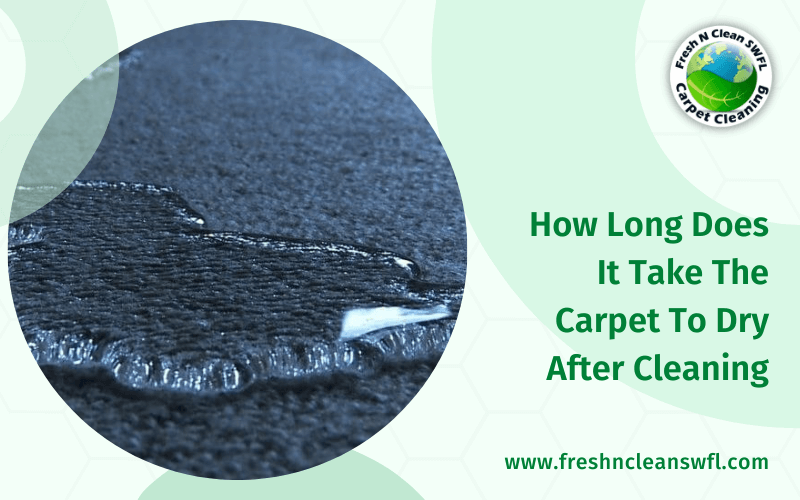
In most cases, carpet takes 6 to 24 hours to dry after cleaning. The exact carpet drying time depends on the cleaning method used, the type and thickness of the carpet, how much water is applied, and indoor conditions such as humidity, temperature, and airflow. Improving ventilation, using fans or air conditioning, and vacuuming after cleaning can help dry carpet faster and reduce moisture-related issues.
Your carpet cleaning is finished. The stains are gone, the room smells fresh, and everything looks clean. Yet one question keeps coming up as you look at the damp carpet under your feet: how long does it take the carpet to dry after cleaning?
This concern is common amongst homeowners. Carpet drying time does not follow a fixed schedule, and waiting too long can affect comfort, safety, and carpet condition. Understanding what controls drying time helps you avoid unnecessary delays and moisture-related problems.
In this blog, we will explain what influences carpet drying time, how long drying usually takes, and what you can do to help your carpet dry faster after cleaning.
What Happens If a Carpet Doesn’t Dry Properly?
When carpet cleaning dry time stretches too long, moisture can remain trapped in the fibers and padding, even after the surface feels dry. Dampness often leads to musty odors and discomfort underfoot, especially in rooms with limited airflow, which may also impact indoor air quality. Over time, slow carpet drying time can weaken fibers and make the carpet feel heavy or uneven.
A wet carpet creates an environment where bacteria and mildew can develop, increasing the risk of lingering smells and long-term damage. Knowing how long to let carpet dry after cleaning and taking steps to dry carpet faster helps prevent these issues and protects both your carpet and your home environment.
How long does it take the carpet to dry after cleaning: 4 Key Factors
Carpet drying is influenced by a combination of practical elements involved during and after the cleaning process. Below are the factors that determine how moisture is retained within the carpet and how easily it can be released afterward.
1. Carpet Cleaning Method Used
Each carpet cleaning method leaves a different level of moisture behind, which directly affects carpet cleaning dry time.
Steam cleaning (Hot Water Extraction)
Steam cleaning pushes hot water deep into the carpet fibers and then removes it using strong suction. Because moisture penetrates beyond the surface, some dampness can remain in the fibers and padding, especially when airflow or ventilation is limited. As a result, it takes longer to dry, which can stretch up to four to six hours.
Shampooing
Carpet shampooing uses liquid or foam-based detergents that soak into the fibers. When residue is not fully removed, it can hold moisture inside the carpet, slowing evaporation and making the carpet feel damp even after cleaning appears complete, resulting in more time to dry completely.
DIY carpet cleaning machines
DIY carpet cleaning machines include rental units and home-use extractors commonly used for do-it-yourself cleaning. These machines often apply more water than necessary and may lack powerful suction, which can leave excess moisture behind, particularly when the same area is cleaned repeatedly.
Encapsulation cleaning
Encapsulation cleaning uses specialized solutions that surround dirt particles and dry into crystals, which are later removed through vacuuming. Because very little water is used during the process, moisture stays near the surface and does not soak into the padding, allowing the carpet to dry more easily.
2. Carpet Material and Thickness
Different carpet materials absorb and release moisture in different ways, which affects how easily carpets dry after cleaning.
Plush or cut-pile carpets
Plush and cut-pile carpets have dense, soft fibers that hold moisture more easily. Water can settle deep into the fibers and padding, especially after deep cleaning. And that causes it to stay wet for a long time and can affect drying.
Nylon or polyester carpets
These synthetic materials are durable but tend to absorb more water during cleaning. Moisture often remains trapped within the fibers if airflow is limited.
Looped or Berber carpets
Looped styles have a tighter construction that allows better airflow through the carpet. This structure helps moisture escape more efficiently after cleaning.
Wool carpets
Wool fibers naturally absorb moisture, but their breathable structure allows water to release more evenly when proper ventilation is present. So, you can expect fast drying comparatively.
3. Humidity, Temperature, and Airflow
Indoor conditions directly affect carpet drying time by controlling how quickly moisture can evaporate after cleaning. In humid homes, carpet drying time can increase by 30 to 50 percent without proper ventilation.
Humidity levels
High indoor humidity prevents moisture from escaping the carpet efficiently. When the air is already saturated, water remains locked in the fibers, making it harder to dry carpet faster after cleaning and increasing the chance of lingering dampness.
Temperature inside the home
Consistent indoor warmth supports evaporation by allowing moisture to rise from the carpet fibers. Cooler temperatures reduce evaporation, causing carpets to stay damp even when surface moisture appears minimal, taking more time to dry out.
Airflow and ventilation
Air movement is essential for pulling moisture away from carpet fibers and padding. Limited ventilation restricts evaporation, which can prolong carpet cleaning dry time and negatively affect indoor air quality.
4. Amount of Water Used During Cleaning
The way water is applied during cleaning plays a major role in overall carpet drying time. Controlled water use allows carpets to release moisture evenly, while excessive application makes it harder to manage how the carpet dries afterward.
When water is not distributed evenly, some areas may remain damp longer than others. This uneven moisture release affects carpet cleaning dry time and often explains why homeowners struggle to figure out how long carpet takes to dry after cleaning, even when ventilation and airflow are present.
How to Dry Carpet Faster After Cleaning
A few simple steps can help reduce carpet drying time, prevent moisture from settling into the fibers and padding, and preserve your carpets after a professional cleaning.
- Open windows and doors to allow fresh air to circulate through the space.
- Use standing or ceiling fans to move air across the carpet surface.
- Run a dehumidifier to pull excess moisture from the air.
- Keep furniture off the carpet to avoid trapping moisture underneath.
- Avoid walking on wet carpet to prevent pushing moisture deeper into the fibers.
- Vacuum after cleaning using a wet or dry vacuum to pull out excess moisture trapped in the carpet fibers.
Let Professionals Help With Deep Cleaning With Fast-Drying
Still wondering, how long does it take carpet to dry after cleaning? Understanding drying time helps you avoid discomfort, moisture-related issues, and unnecessary carpet wear. From choosing the right cleaning method to managing airflow and humidity, proper care helps reduce drying time and protects your carpet from odors and damage.
At Fresh N Clean SWFL, we focus on professional carpet cleaning techniques that balance deep cleaning with effective moisture control. Our process is designed to protect carpet fibers, support better indoor air quality, and reduce drying concerns so you can return to your space with confidence.
Contact us to schedule your carpet cleaning service.
FAQs
What is the fastest way to dry carpet after cleaning?
We suggest improving airflow using fans and air conditioning, opening windows when possible, and vacuuming after cleaning to remove excess moisture, as these steps help carpets dry faster.
Does professional carpet cleaning dry faster than DIY cleaning?
Yes. Professional equipment extracts more water during cleaning, while DIY machines often leave carpets overly wet, which increases drying time and raises the risk of lingering dampness.
Why is my carpet still wet after cleaning?
Carpet can be wet after cleaning due to too much water being used, weak extraction, or high indoor humidity is high. Thick carpet padding and poor airflow can also cause carpet cleaning dry time to stretch longer.
What Professionals Use for Fast-Drying Carpets After Cleaning?
Professionals use industry-grade dehumidifiers and low-moisture cleaning techniques to remove excess humidity, improve airflow, and help carpets dry faster while reducing the risk of mold, odors, and long drying times.